
Transmog is the True Endgame of World of Warcraft—a system that allows you to project your character’s identity through Visual Consistency. Many players suffer from “Clown-Suit Syndrome,” mixing high-resolution modern pieces with low-texture classic items. This is Aesthetic Dissonance. “The Theme Guide” is the discipline of Cohesive Character Design. By adhering to specific era-based palettes and silhouettes, you ensure your hero looks like a Unified Part of the World rather than a random collection of loot.
The “Texture Matching” Fundamental
The greatest mistake in transmog is ignoring Graphic Fidelity Gaps. A 2024 “War Within” helmet placed on a 2004 “Classic” chestpiece creates a Visual Jarring Effect. A master of the wardobe practices Era-Appropriate Layering.
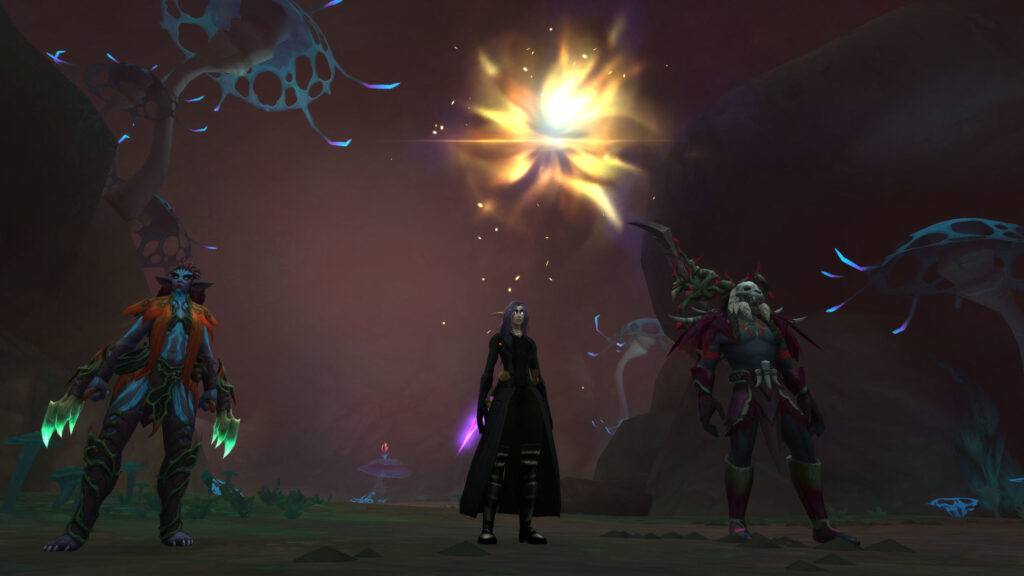
They match the “Texture Density” of their items, ensuring that the “Crispness” of the gear is uniform. This Graphical Synergy is the secret to a professional-looking set that stands up to close-up inspection.
The Pillars of Thematic Styling (The Outfit Rules)
- 1. The “Expansion Palette” Logic:
- What: Using colors that define specific eras (e.g., Fel Green for Legion, Icy Blue for Wrath, Earthy Browns for Dragonflight).
- Why it matters: This is Environmental Resonance. By matching your colors to an expansion’s theme, your character feels like a Main Protagonist of that story. It creates a “Vibe” that is instantly recognizable to other players.
- 2. Silhouette and “Weight” Balance:
- What: Ensuring your shoulder-pads don’t overwhelm your boots, or vice versa.
- Why it matters: This is Anatomical Proportionality. A “Top-Heavy” character looks comical. Balancing “Large” pieces with “Sturdy” foundations creates a Sense of Power and Stability, making your hero look battle-ready and formidable.
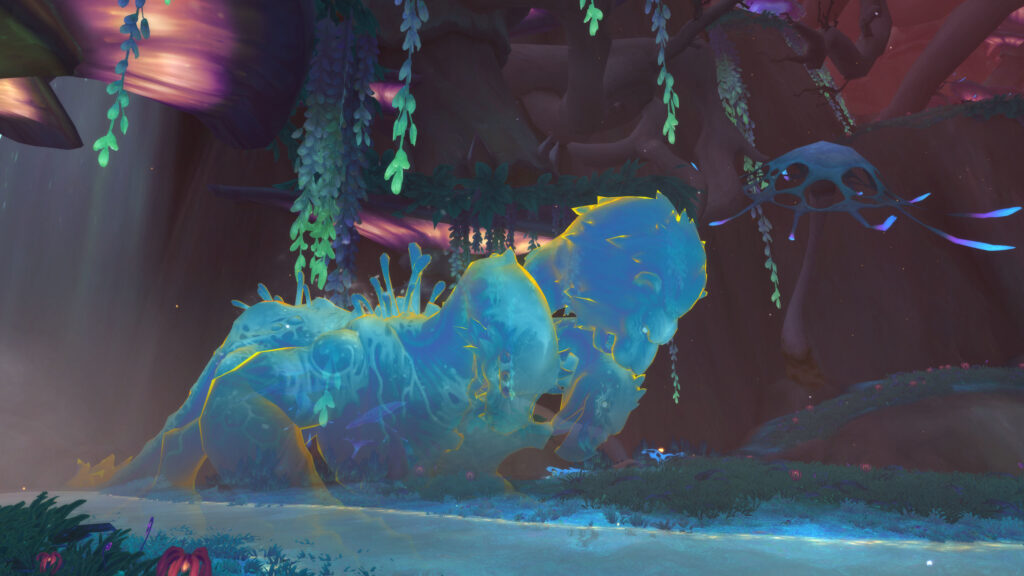
- 3. The “Two-Piece” Anchor Rule:
- What: Never using more than two pieces from the same “Tier Set.”
- Why it matters: This is Creative Originality. Wearing a full set is “easy,” but building a custom look using a set’s “Gloves and Belt” as an anchor for other pieces is High-Tier Fashion Mastery. It proves you have a unique vision for your character.
- 4. Material Consistency (Cloth/Leather/Mail/Plate):
- What: Matching “Shiny” metals with other “Shiny” metals, or “Weathered” leather with “Rugged” fabrics.
- Why it matters: This is Material Realism. Mixing a “Polished Chrome” sword with “Rusty Iron” armor creates Visual Conflict. Consistent materials make the outfit feel like it was forged as a Single Suit of Armor.
Conclusion: The Master of the Wardrobe
You are the architect of your own legend. By adopting the Cohesive Design mindset, you transform from a “Looter” into the Master of the Wardrobe. You realize that your appearance is the first thing people notice, and it should tell a story of your History and Taste.
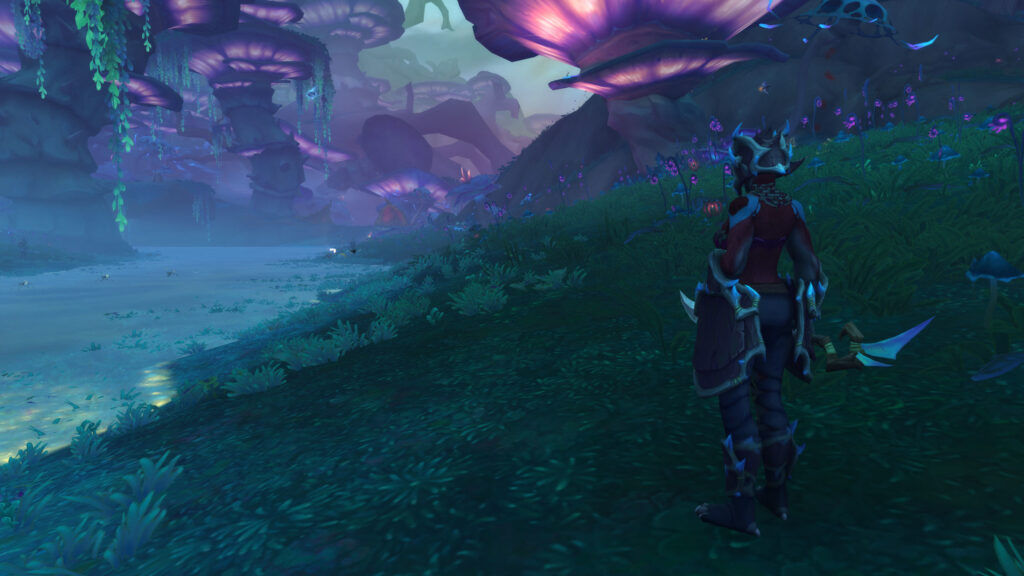
Align your textures, balance your silhouette, and respect the palette. You will find that you stand out in every capital city as a Hero of Refinement and Power.




Leave a Reply