


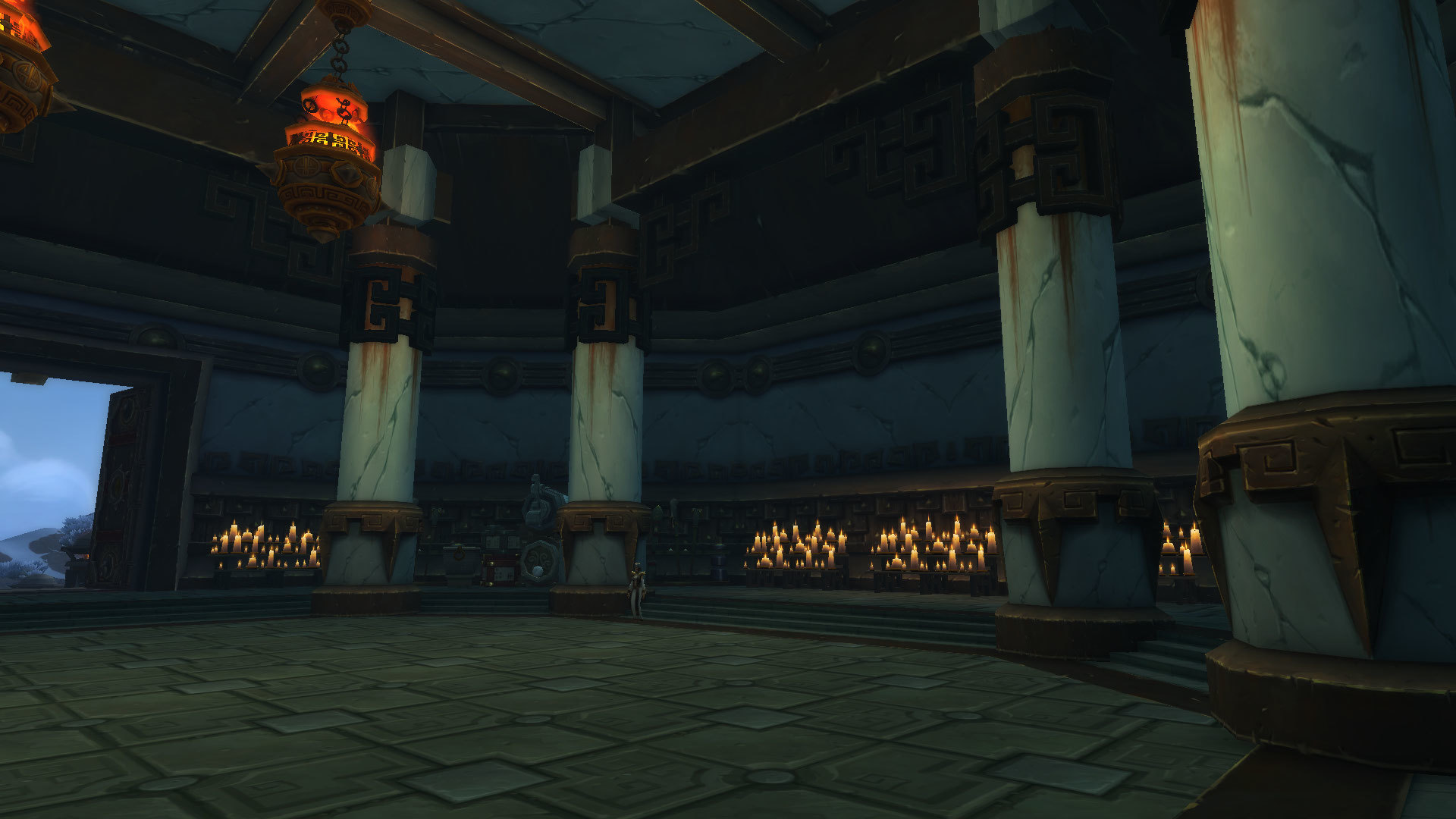
The Spoils of Pandaria encounter in the Siege of Orgrimmar raid is renowned for its unique mechanics and the strategic depth it brings to the table. As a critical part of the raid, this encounter features two distinct chest rooms filled with valuable loot and challenging mechanics that can test even the most seasoned raid groups. Speed-running these chest rooms not only boosts efficiency but also maximizes the potential loot per hour, making it a favored target for high-level players and guilds. In this guide, we will delve into the strategies, mechanics, and tips to optimize your speed-runs through this encounter.
Understanding the Encounter Mechanics
The Spoils of Pandaria encounter is divided into two phases, each taking place in different chest rooms. In each room, players must activate chests that spawn waves of adds, which players must manage effectively. The key mechanics include managing aggro on the adds and ensuring that players are positioned correctly to avoid unnecessary damage. It’s crucial to understand the importance of Line of Sight (LoS) and how to utilize the environment to mitigate damage while controlling the adds. Additionally, players should be aware of the enrage timer, which can lead to wipes if not handled efficiently, resulting in the need for precise coordination and execution.

Optimal Group Composition
When it comes to speed-running the Spoils of Pandaria encounter, group composition plays a significant role in success. A balanced team typically consists of a mix of melee and ranged DPS, a dedicated tank, and a healer. The following roles are recommended for optimal performance:
- 1 Tank: To manage aggro and control the adds effectively.
- 2 Healers: To sustain the group’s health during intense add phases.
- 5 DPS: A combination of melee and ranged to handle various add mechanics.
With a well-rounded team, you can maximize damage output while ensuring that healing and control are maintained throughout the encounter.
Add Management Strategy
Effective add management is crucial for completing the Spoils of Pandaria encounter efficiently. As players activate the chests, waves of adds will spawn, each with unique abilities that can disrupt your run. It’s essential to prioritize targets based on their threat level and damage potential. The following table outlines the types of adds you may encounter and their key abilities:
| Add Type | Key Ability | Priority Level |
|---|---|---|
| Stormwind Guardian | Shield Charge | High |
| Horde Grunt | Rage Charge | Medium |
| Havoc Wreaker | Firestorm | Low |
By focusing on high-priority adds first, you can reduce incoming damage and prevent overwhelming situations that lead to wipes.
Utilizing Cooldowns Effectively
Cooldown management is another critical aspect of a successful Spoils of Pandaria speed-run. Players should coordinate their defensive and offensive cooldowns to maximize uptime and minimize damage taken. Tanks should use cooldowns when facing high-damage adds, while DPS can use their burst abilities to quickly eliminate priority targets. Healers should plan their healing cooldowns around the most intense moments of the fight, ensuring that everyone remains topped off during add onslaughts. Proper synchronization of these cooldowns can drastically reduce the time spent in each phase and enhance overall efficiency.
Tips for Efficient Speed-Running
To truly excel in speed-running the Spoils of Pandaria encounter, consider the following tips:
- Communicate regularly to ensure everyone is aware of their roles during each phase.
- Assign specific targets for DPS to focus on to streamline add management.
- Utilize resources such as consumables and potions to enhance performance.
- Practice positioning to master LoS mechanics and reduce unnecessary damage.
By applying these strategies, you can significantly improve your team’s efficiency and effectiveness during this engaging encounter, paving the way for faster runs and greater loot yield.
Leave a Reply